
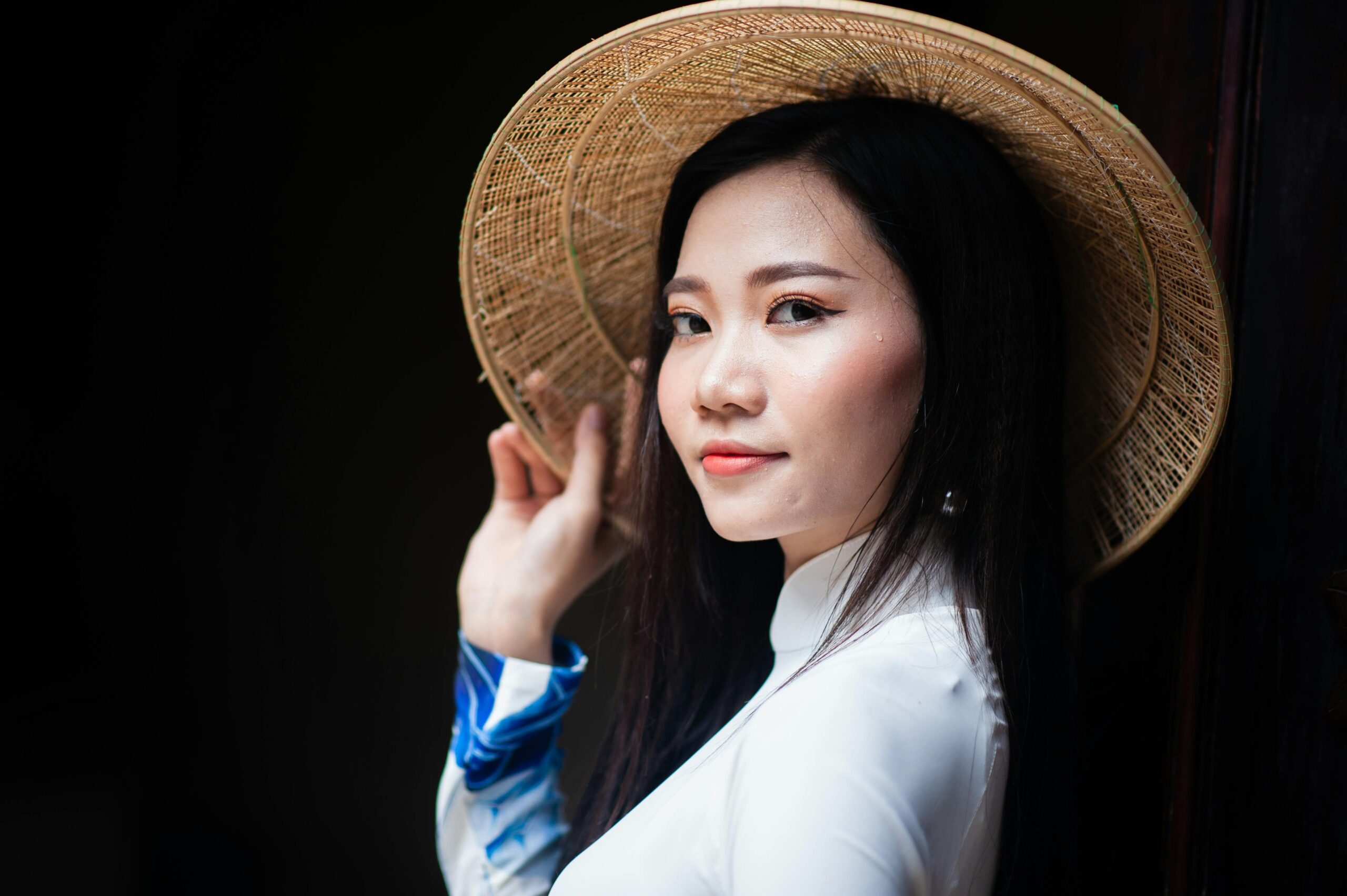
Marrying a Japanese woman is genuinely different from what most foreign men have experienced in relationships before. Japanese women for marriage bring a combination of qualities that are shaped by a culture with its own specific logic, its own social codes, and its own idea of what a committed partnership looks like. Understanding what makes these marriages distinct is more useful than a list of generic compliments about Japanese women.
What Makes Japanese Women for Marriage Different
Japanese women’s marriage culture operates on principles that differ significantly from Western relationship norms. In Japan, commitment is demonstrated through actions rather than declarations. A Japanese woman who is serious about a relationship shows it through reliability, attention to detail, and consistency over time. Grand emotional expressions are less common. Quiet, sustained investment is more valued.
This orientation also means that marrying a Japanese woman tends to produce a different kind of long-term dynamic than marriages in more expressively emotional cultures. The warmth is real, but it is expressed differently. A husband who learns to read the smaller signals tends to understand his wife much better than one who waits for the kind of explicit emotional communication he might expect from a Western partner.
Japanese women to marry also tend to bring a high standard of personal conduct to the relationship. Punctuality, attention to social presentation, and care in how they manage a household are all things that Japanese women take seriously. These qualities reflect a broader cultural orientation toward doing things properly, and they show up in how Japanese women approach marriage as an institution rather than just a personal arrangement.
How Japanese Culture Shapes the Marriage Experience
Japan women marriage expectations are shaped by a cultural framework that values harmony, restraint, and the long-term health of the relationship over short-term emotional intensity. In practice, this means a few specific things that foreign husbands encounter early and find consistently meaningful over time.
Conflict resolution in Japanese marriages tends toward avoidance of direct confrontation. A Japanese woman who is unhappy about something is more likely to signal it through changes in behavior or tone than to state the issue outright. Foreign husbands who learn to read these signals, and who create space for concerns to be raised without confrontation, build significantly stronger marriages than those who wait for explicit statements.
Respect for the relationship’s social dimension is also important. In Japan, marriage is not purely a private matter. It involves families, social obligations, and a set of expectations about how a couple presents itself to the world around them. A foreign husband who engages with these social dimensions rather than treating them as irrelevant tends to be viewed much more positively by her family and community.
Additionally, the concept of amae, a kind of reciprocal dependence and emotional indulgence within close relationships, shapes how intimacy develops in Japanese marriages. Understanding that this dynamic exists, and that it reflects a different model of closeness rather than dependence, helps foreign husbands interpret their wives’ behavior more accurately.

Why Japanese Women for Marriage Are Loyal Partners
Loyalty is one of the qualities most consistently associated with Japanese women marriage, and it reflects something structural about how Japanese women approach commitment rather than just a personality trait.
Japan women for marriage tend to make the decision to commit deliberately and carefully. The period of consideration before deciding someone is worth marrying is often longer than in Western dating cultures. A Japanese woman who has decided to marry is not hedging her bets. She is building something.
This loyalty also extends to how Japanese women manage the household and the relationship over time. Attention to her husband’s needs, the management of daily life with care and competence, and a consistent orientation toward the relationship’s long-term health are all expressions of the commitment that Japanese women to marry bring to a marriage. These are not performances. They reflect a genuine orientation toward the partnership.
In terms of what this produces in practice, marriages with Japanese women are often described by foreign husbands as surprisingly stable. The emotional intensity of the early stages gives way to a steady, reliable partnership that holds up well through ordinary life rather than only through exceptional circumstances.
What Marrying a Japanese Woman Requires From a Foreign Husband
Marrying a Japanese woman is a genuinely rewarding experience. It is also one that requires specific things from a foreign husband that go beyond what domestic relationships typically demand.
Cultural patience is the most important quality. Japan women marriage culture moves at a pace that reflects how seriously Japanese women take the decision to commit. Pressure to accelerate the relationship tends to produce resistance rather than progress. A foreign man who allows the relationship to develop at a pace that makes sense within Japanese cultural logic tends to find that it moves more surely, if not always more quickly.
Communication adjustment is equally important. Direct confrontation tends to damage relationships in Japanese culture. Family engagement matters as well. A foreign husband who approaches her family with genuine respect and patience, rather than treating family involvement as an obstacle, tends to build goodwill that supports the marriage over a long period.
Japan Women Marriage: What the Day-to-Day Looks Like
Japanese women marriage culture places genuine value on the quality of daily domestic life. Meals, cleanliness, and the atmosphere of the home are all things that many Japanese women invest in seriously. A husband who notices and appreciates this investment creates a very different dynamic from one who treats it as an expected background service.

Social life as a couple also has a specific character in Japanese culture. Couple activities, shared meals, and the management of social obligations together are all parts of what Japan women marriage involves. A foreign husband who participates genuinely in the social dimension of the marriage, rather than treating it as optional, tends to find that it strengthens the relationship in ways that individual time together cannot replicate.
Over time, the marriage tends to develop a specific kind of depth that is less about dramatic emotional connection and more about a shared life that functions well and feels secure. Many foreign husbands describe this as something they did not fully expect but came to value deeply.
Challenges That Come With Marrying a Japanese Woman
A realistic picture of japan women for marriage also includes the challenges that these marriages consistently involve. Being honest about them in advance produces better preparation and better outcomes.
- Communication styles are genuinely different.This adjustment takes time and consistent effort from both sides.
- Family expectations can be significant. In some cases, particularly in more traditional Japanese families, expectations around where the couple lives, how often they visit, and what role the husband plays in the family structure can be more structured than a foreign husband expects.
- Career and work culture in Japan can affect the marriage. Japanese work culture often involves long hours and strong professional obligations. Understanding how work figures in her life, and planning around it rather than against it, tends to produce less friction.
- Language remains a practical challenge even in marriages where both partners speak English. Her relationship with her family, her social life, and significant portions of her daily world operate in Japanese. A foreign husband who makes any genuine effort with the language creates a very different impression than one who remains entirely outside it.
- Relocation decisions are significant. Whether the couple lives in Japan or abroad affects the marriage in ways that go beyond logistics. A Japanese woman who relocates abroad gives up a great deal. A foreign husband who understands and acknowledges that cost tends to build a more equitable partnership.
What Makes These Marriages Work Long-Term
The marriages between foreign men and Japanese women for marriage that hold up over time share recognizable characteristics. The foreign partner engaged genuinely with Japanese culture rather than expecting her to adapt entirely to his way of doing things. Both people had honest conversations about communication, family, work, and where they would live before making permanent commitments.
The foreign husband made effort with Japanese language, even at a basic level. He built genuine relationships with her family rather than managing them from a distance. He learned to read the quieter signals in the relationship rather than waiting for explicit statements that Japanese communication culture does not always produce.
Japanese women marriage, when it works, tends to produce a partnership characterized by stability, mutual respect, and the kind of sustained daily investment that makes a home feel genuinely good to live in. That is not a small thing. It is also not something that happens without deliberate effort from both sides. The uniqueness of the experience comes precisely from that combination of qualities and what it requires of both partners to sustain.